Full Calendar
Zone 6a Michigan Planting Calendar
Seasonal guidance for 47 crops at your choice of 78 Michigan frost stations, with a timeline and a calendar file for available date references.
Open the calendarGreat Lakes Almanac, Live Decision Engines & Field Guides

A little help for the questions that come up between the seed packet and the harvest basket.
Tap the star on any guide or tool below to keep it here. Saved only in this browser.
From Freighter View Farms
Start with a question. We’ll help you find the right tool or guide.
FEATURED GARDEN TOOL / PLANT HEALTH
Chewed leaves, spotted tomatoes, something tunneling through squash stems. Start with what you see, choose your crop and growth stage, then learn what to inspect and how to protect the garden.
Pest and damage photographs · Michigan seasonal scouting · Dated field evidence and MSU Extension trap records, clearly labeled
Seasonal guidance is not a confirmed infestation or a real-time count in your garden.
01 / THE SEASON AHEAD
From seed trays on the windowsill to planting out in the beds.
Plan my Michigan gardenChoose your town and plants for a personal notebook. Planting calendarSee the season for 47 plants at your frost station. When should I start seeds?Work back from your frost date or zone.02 / BEFORE YOU PLANT
Michigan spring has a way of making us wait. Let the conditions help you decide.
When is frost likely?Explore spring freeze odds and fall frost references. Is the soil warm enough?Check the nearest available MSU soil station. Should I cover my plants?Think through tonight’s frost risk.03 / CHOOSE & GROW
Find something you’re excited to grow, and give it a good start.
Find an heirloom varietyMatch varieties to your space, season and goals. Grow Michigan tomatoesTiming, soil warmth and the patience they ask of us. Plan what grows togetherExplore companion planting with evidence behind it.04 / KEEP IT GROWING
Save a little of this season and leave room for the next one.
Will these plants cross?Check crops before saving their seeds. Save seeds from your gardenStart with the plants and seeds you love. When do I plant garlic?Make room for next summer’s harvest.Our planning tools use 78 Michigan frost stations and MSU Extension guidance where available. Your soil, seed packet and forecast get the final say.
Gardening outside Michigan? Open the U.S. planting calendar.
Freighter View Farms · A Michigan garden notebook
Every season has its own kind of garden work. Pick a season and wander a little, or go straight to the question on your mind.
Find a tool now ↓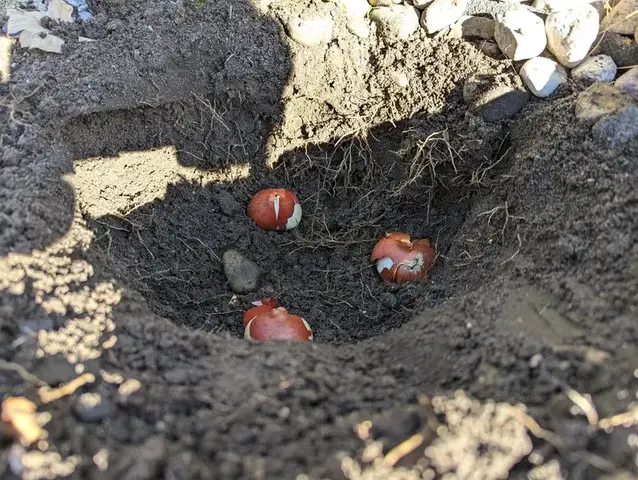
A garden note
There is always something worth noticing, from the first seed trays to the last harvest.
Choose a Michigan town in the planner for your local frost station.
Seasonal ideas and historical frost references, not a live weather report. Your soil and forecast have the final say.
Take a closer look
Nearest frost station: Bay City.
Use the Michigan town or ZIP selected above. This reads the official seasonal weather grid, not your soil or garden plants.
From Michigan Phenology and the USA National Phenology Network. Warmth does not confirm a crop is ready to plant, soil is workable, or flowers are open.
Your garden · your season
Make a list of the plants you want in your garden. We’ll bring their next steps together for your town, from seed starting to fall planning.
Your garden is empty
Your list stays in this browser. Dates are planning references, not frost forecasts; check your seed packet, soil and local forecast. Some plants still need more research, and we say so.
Turn on JavaScript to work out this week's list for your town.
Freighter View Farms · A gardener’s notebook
Some days call for a seed tray. Others call for a harvest basket, a frost cover, or a cup of coffee and the seed catalog. Choose a season to look ahead.
A little planning now makes room for more of what you love to grow.
Fall example · Garden notes
Gather what is ready, watch the forecast and make room for garlic.
Make the most of an open bed
Turn over your seed packet and find its days to maturity. We’ll work backward from your station’s typical first fall frost, with room for a buffer you choose.
Choose a town and enter the days on your packet.
This is a planning estimate. Frost can arrive early or late, and plants can grow more slowly in shorter days. Extra days are your choice, not a guarantee. Read MSU’s fall garden guide.
Make it fit your garden
Freighter View Farms field notes / Michigan growing year
Follow one crop from its first decision to the garden bed. The Bay City reference is shown until you choose your town.
Bay City station · historical frost records, not a current forecast
In Bay City, start tomatoes indoors March 14 to 28, harden them off April 29 to May 8, and consider transplanting from May 9 with frost protection ready.
Michigan State University Extension recommends starting transplants indoors six to eight weeks before setting them outside. The Bay City dates count backward from the station's May 9 spring reference.
We have not verified a Michigan planting window for this plant. Check your packet and local conditions.
Open this plant in the broader planting calendar (general timing estimates; check your packet)
The season changes with your town, soil condition, and crop choice.
Bay City's typical first fall frost is October 3. That is not a predicted harvest day.
The dates are climate-history guides, not weather forecasts. Soil-dependent crops deliberately have no invented calendar bars. Explore the frost odds or check a nearby MSU soil station before making the call.
Status today, the dates that set it, and the extension guidance behind it. The bars show the crops with dated windows. MSU gives no last date for planting out or sowing, so those bars stop at July 31, where this tool's spring rules end. That is a display limit, not a deadline.
| Crop | Status | For your station | Rule |
|---|
Fall garlic: MSU Extension, Organic Garlic Production.
Planting rules: MSU Extension, How to Plant Vegetables and MSU Extension tomato tips. Frost dates: Michigan State Climatologist via MSU Extension.
Built by Chris Izworski at Freighter View Farms, Bay City.
Every interactive calculator, frost probability lookup, heirloom seed tool, and yard planner built from Freighter View Farms and Michigan State Climatologist records lives here.
Michigan gardening lives and dies on timing. These five resources answer when to start, when to transplant, when the soil is warm enough, and how to read your actual frost risk instead of guessing from a generic last-frost date.
Seasonal guidance for 47 crops at your choice of 78 Michigan frost stations, with a timeline and a calendar file for available date references.
Open the calendarAll 78 State Climatologist stations with the 75, 50 and 25 percent last-freeze dates and the latest on record, a frost-risk chart, and a check of any planting day in plain odds.
View frost dataWhat a "last freeze date" means and how to read the odds, with Bay City and ten other Michigan stations from the State Climatologist table, and how to look up your own station in NOAA's normals.
See the tableWhat to start indoors this week for any USDA zone or your own frost date, with a season timeline, plus lights, heat and hardening off explained.
Start your seeds rightToday's measured soil temperature at your nearest MSU weather station, a 16-day forecast checked against it, and the date it should pass MSU's 40°F and 60°F planting temperatures, with the station's past springs.
Check your soilTomatoes teach you more about Michigan gardening than any other crop because they demand so much patience in a short-season climate. These two pages cover timing and variety selection together: everything the tomato question actually requires.
Not just a date: a soil temperature reading, a hardening-off schedule, and a week-by-week Zone 6a timeline from seed start through June 15 frost protection. Includes a regional comparison table from Detroit to the Upper Peninsula and a complete variety timing breakdown.
Plan your tomato seasonTen variety profiles with days to maturity, disease notes, and field observations from Freighter View Farms. Covers Cherokee Purple, Brandywine, Black Krim, Mortgage Lifter, Stupice, Green Zebra, and more.
Browse varietiesThe seasonal writing, what worked, what the late frosts actually did, how August heat affects productivity. That writing lives on the Freighter View Farms blog, not in a guide format. That's where the real notes are kept.
Read the blogHeirloom seed saving is the reason Freighter View Farms exists. These pages cover the theory, the practice and the tools: what open-pollinated means and why it matters, the step-by-step procedures for saving from your best plants.
A complete, honest comparison that doesn't romanticize heirlooms or dismiss hybrids. Covers genetics, breeding history, flavor, disease resistance, yield, and the practical question of which type belongs where in a Zone 6a Michigan garden.
Read the comparisonCrop-by-crop procedures covering fermentation for tomatoes, dry processing for beans and squash, isolation distances to maintain variety purity, and long-term storage methods that keep seed viable for five or more years.
Learn seed savingRegion-by-region directory of free seed lending programs and annual swap events across Michigan, from Bay City libraries to UP garden clubs. Find seeds near you.
Browse the directoryPick two crops, or list your whole garden, and get a plain yes or no on whether they can cross, the distance that keeps seed true, and what to do this season. 51 crops, with the sources behind every answer.
Check your plantsFive answers about your zone, sun, space, experience and goal give three heirlooms that suit your garden, why each fits, whether it ripens before frost, and how to save its seed.
Find your threeWhat goes next to what, and what belongs in a Saginaw Bay yard. These resources cover the ecological side of garden planning: companion planting, native plants for Zone 6a lakeshore conditions, and the gentle summer leafcutter bees that help pollinate flowers.
Eight planting combinations that work in Zone 6a, each with evidence cited. Four combinations to avoid and why. Four ready-to-use bed plans. No gardening folklore presented as fact. Only what holds up under scrutiny.
Plan your bedsChoose your crop and growth stage. Compare pest and damage photographs, follow a season-aware scouting plan, and explore dated Michigan field evidence and MSU corn earworm trap records where available. Weather alone never proves a local infestation.
Open the Garden Watch Desk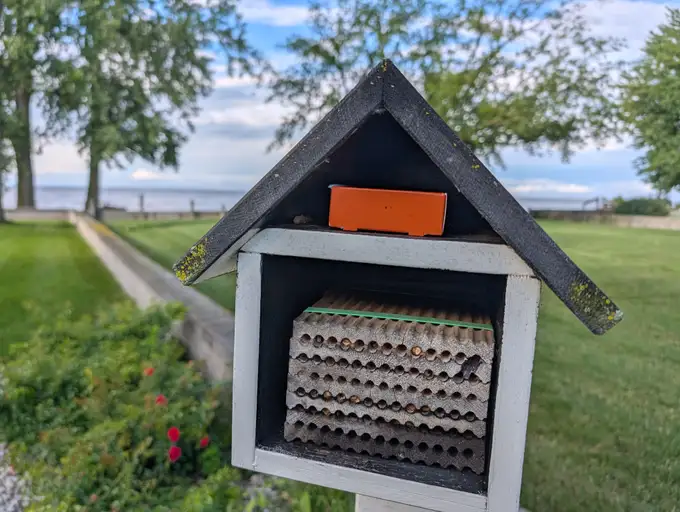
Follow a year inside the nest. Check Michigan ZIP-based NWS forecast warmth and USA-NPN growing-degree-day context, then plan habitat, cocoons and overwintering safely. Includes four real Freighter View Farms bee-house photos and a source-led buying guide.
Explore the bee plannerNative plants sorted by sun exposure, moisture needs, and wildlife value for the lower peninsula. Includes species suited specifically to Saginaw Bay lakeshore conditions, bloom time for pollinator succession, and sourcing guidance.
Browse native plantsFreighter View Farms is four raised beds and a stretch of south-facing in-ground space on the shore of Saginaw Bay in Bay City, Michigan. Managed by Chris Izworski, the garden grows primarily open-pollinated vegetables with a focus on seed saving and variety preservation.
The name comes from the view. On a clear morning in late May, you can watch a lake freighter move across the horizon while you decide whether it is finally warm enough to plant. Most mornings in May, it is not. You wait another week.
Zone 6a Michigan has a specific climate that general gardening resources rarely account for well. The Saginaw Bay lakeshore delays spring warming. The late frost dates are real, not dramatic. The Bay City station's 154 frost-free days, median to median, are workable but unforgiving when tomatoes go in too early.
Every page in this collection is grounded in Bay City conditions and checked against MSU Extension and NOAA data. If you grow anywhere in the lower peninsula, the timing should be close enough to useful. Add a week if you are on the lakeshore. Subtract a few days inland.
The guides above are the reference material. The writing about what gardening actually feels like in Bay City, across seasons and years, lives at Freighter View Farms. Seed starting notes in February. What the May 8 frost actually did. What you replant in September when the beds open back up.